
Table of Contents
- Why a Heavy Duty Leather Gun Belt Changes Your Carry Setup
- Quick Comparison: Armour Belts Heavy Duty Leather Gun Belt Lineup
- Concealed Carry Belt Thickness: How Many Ounces Do You Actually Need?
- How to Break in a Leather Gun Belt (Without Damaging It)
- Gun Belt Maintenance Tips for Long-Term Durability
- Holster Compatibility: Matching Your Belt to Your Carry Setup
- How to Choose the Right Heavy Duty Leather Gun Belt for Your Body Type
- Frequently Asked Questions
Last Updated: September 15, 2026
Why a Heavy Duty Leather Gun Belt Changes Your Carry Setup
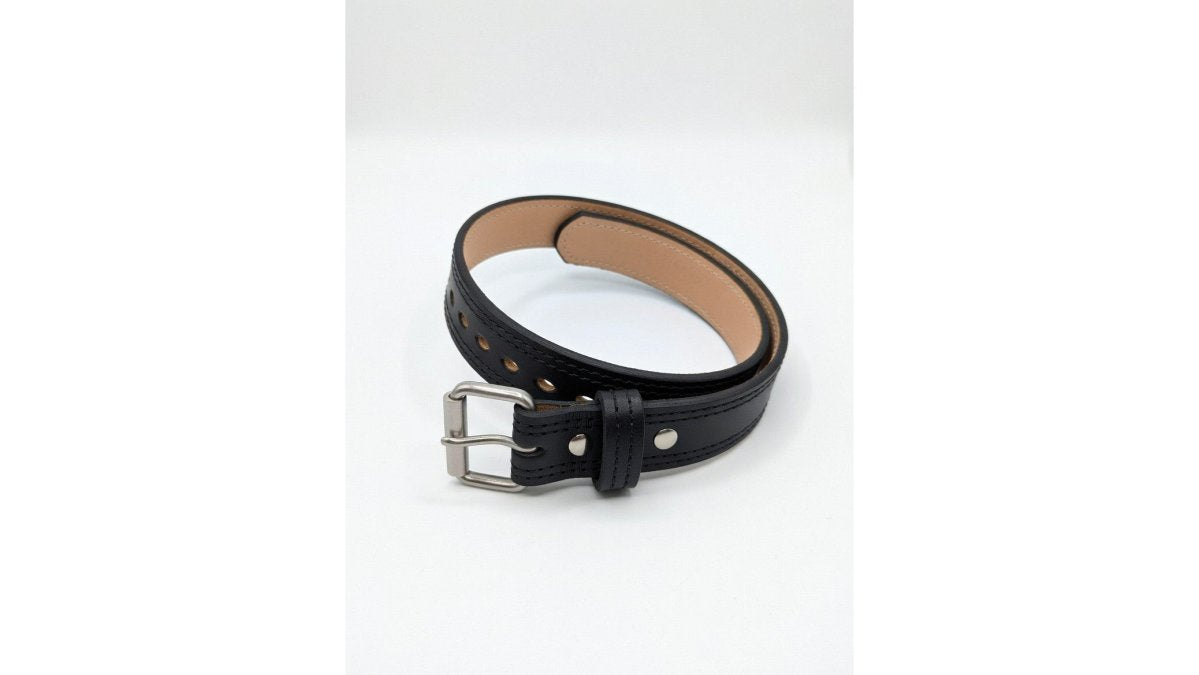
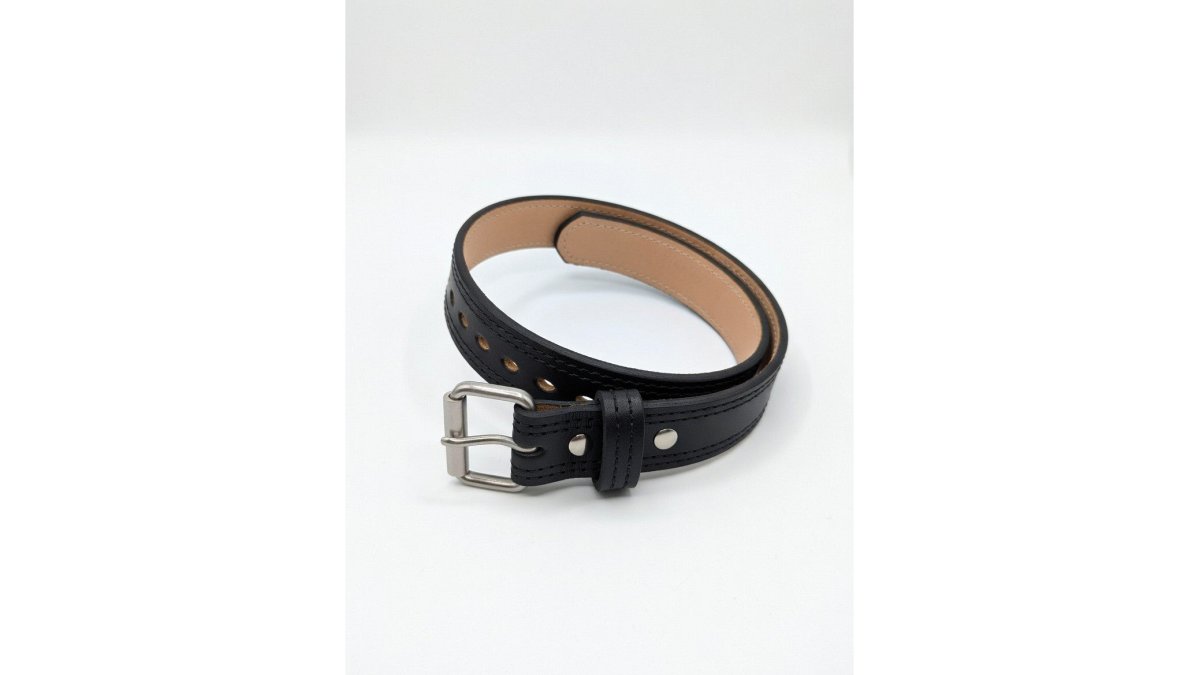
A heavy duty leather gun belt is the foundation of a stable carry setup, and the piece most carriers upgrade last. At Armour Belts, we build belts specifically for this job.

Here is the core problem. A standard dress belt is designed to hold up trousers, not a loaded firearm. It flexes, rolls at the top edge, and lets your holster migrate. A purpose-built leather gun belt resists that movement because it is thicker, stiffer, and cut wider than anything from a department store rack. According to the NRA's guide to concealed carry equipment, belt selection is one of the most overlooked factors in carry comfort and retention.
Below, we break down thickness, leather types, break-in, maintenance, and holster compatibility so you can choose once.
Quick Comparison: Armour Belts Heavy Duty Leather Gun Belt Lineup
Every belt in the Armour Belts lineup is handcrafted in Michigan from full grain leather.
| Model | Width | Thickness | Price | Best For |
|---|---|---|---|---|
| Gun Belt | 1.25 in or 1.5 in | ~5/16 in | $125.00 | Everyday IWB and appendix carry |
| Gun Belt Max | 1.75 in | ~5/16 in | $130.00 | Full-size pistols and duty setups |
| Casual Gun Belt | 1.25 in or 1.5 in | Just under 1/4 in | $119.00 | Lightweight EDC with thinner holsters |
| Sharkskin inlay Gun Belt | 1.25 in or 1.5 in | ~5/16 in | $150.00 | Dress carry with a distinct finish |
| Stingray inlay Gun Belt | 1.25 in or 1.5 in | ~5/16 in | $150.00 | Formal settings, open carry |
| Elephant inlay Gun Belt | 1.25 in or 1.5 in | ~5/16 in | $150.00 | Collectors who want a rare inlay |
| Embossed Horse and Floral Belt | 1.25 in or 1.5 in | ~5/16 in | $125.00 | Western and ranch wear |
The 1.5-inch versions carry two rows of stitching; the 1.25-inch versions use a single row for a lower profile under a tucked shirt.


Concealed Carry Belt Thickness: How Many Ounces Do You Actually Need?
Concealed carry belt thickness is measured in ounces of leather weight. Thinner flexes under a loaded holster; heavier is hard to thread and uncomfortable when seated.
Ounce weight refers to the hide, not the finished belt: a 10 ounce hide runs roughly 1/8 inch thick before doubling and stitching. Armour Belts gun belts measure approximately 5/16 inch thick in total.
Ounce Weight vs. Sag Resistance: What the Numbers Mean
Sag resistance is the belt's ability to hold its shape under a static load, a product of leather weight plus core construction.
The practical test: load your holster and magazine pouch onto the belt, hold it horizontally, and watch the top edge. If it curls, it will sag on your hip; if it stays flat, you are in the right range.
Full Grain Leather vs. Other Leather Types
Full grain leather keeps the outermost layer of the hide intact, where the fiber density lives (Full Grain & Top Grain). Genuine and bonded leather are split or reconstituted and lose tensile strength, cracking at the buckle under repeated flexing.
Steerhide and bullhide are both full grain cuts from cattle, with bullhide from older animals offering denser fiber. Horsehide is denser still and resists moisture better, though it takes longer to break in.
How to Break in a Leather Gun Belt (Without Damaging It)
Learning how to break in a leather gun belt takes about two weeks of normal wear, no water, oil soaking, or force.
Here is the sequence that works:
- Wear the belt at your natural waist for two to three hours the first day
- Move the buckle one hole tighter than feels comfortable, then back off
- Rotate the belt a quarter turn each day so it flexes in different spots
- Apply a light coat of conditioner after the first week
- Avoid leaving the belt in a hot car or near a radiator
The leather softens at the bend points and stiffens where the holster rides.
Gun Belt Maintenance Tips for Long-Term Durability
Gun belt maintenance tips come down to three habits: clean it, condition it, and inspect the stitching. Do those twice a year and a quality leather gun belt will provide long-lasting performance.
Cleaning, Conditioning, and Stitching Care
Wipe the belt with a dry cloth after heavy use to remove grit that abrades the finish. Apply conditioner sparingly, once or twice a year, buffing off the excess, over-conditioning softens the leather and reduces rigidity.
Check the stitching at the buckle and along the billet holes every few months. Loose or frayed thread is the first sign of a failing belt, usually at the buckle fold where stress concentrates.
Holster Compatibility: Matching Your Belt to Your Carry Setup
Holster compatibility is where most buyers get it wrong, because they pick the holster first and the belt last. The belt has to match the holster's attachment method. Width is only half the equation, the other half is how the clip or loop grips the leather.
How Belt Width Interacts With Clip and Loop Types
Every holster attachment has a designed belt-width range. Go under it and the holster slides; go over it and the clip won't seat or the loop won't close.
| Carry Method | Recommended Belt Width | Why It Works |
|---|---|---|
| IWB / Appendix | 1.25 in or 1.5 in | Fits standard clips and loops |
| OWB paddle or belt loop | 1.5 in | Distributes weight without rolling |
| Duty or tactical rig | 1.75 in | Supports heavier loads and pouches |
| Kydex with C-Clips | 1.25 in | Thin profile threads cleanly |
Plastic and metal clips (FOMI, C-Clip, J-Clip). These are molded or stamped to a specific width.
Matching Belt to Load, Not Just to Holster
How to Choose the Right Heavy Duty Leather Gun Belt for Your Body Type
Why Frame Geometry Changes the Right Belt
Printing: What Actually Causes It
Sizing by Frame, Not by Trouser Size
Practical Starting Points by Frame
Frequently Asked Questions
How thick should a heavy duty leather gun belt be to prevent sagging?
A heavy duty leather gun belt should be at least 1/4 inch thick, with 5/16 inch being ideal for supporting full-size pistols and extra gear. Armour Belts' Gun Belt measures approximately 5/16 inch thick, which provides enough rigidity to prevent sag during IWB or appendix carry. Thinner belts under 1/4 inch tend to roll and shift under weight, especially with heavier carry setups.
What's the difference between a gun belt and a regular leather belt?
A gun belt is built with a reinforced core, thicker full grain leather, and heavier stitching to support the weight of a holstered firearm without sagging or twisting. A regular leather belt lacks that rigidity and will stretch or roll under load. Gun belts also use wider widths like 1.5 or 1.75 inches for better weight distribution and holster stability.
How do I break in a new leather gun belt without ruining it?
Wear the belt daily for short periods over the first week, letting body heat and natural movement soften the leather gradually. Avoid soaking it in water or using harsh oils, which can weaken the fibers. A light application of leather conditioner after the first week helps maintain flexibility. Most quality gun belts need 1-2 weeks of regular wear to fully conform to your body.
Can a heavy duty leather gun belt work for everyday carry with a full-size pistol?
Yes, a heavy duty leather gun belt is designed specifically for that. Armour Belts' Gun Belt is built for IWB and appendix carry without sag, even with a full-size pistol and spare magazine. The 5/16-inch thickness and full grain leather construction distribute weight evenly across your waist, keeping your holster secure and your draw consistent throughout the day.
What are the most important gun belt maintenance tips?
Wipe your belt with a dry cloth weekly to remove dust and moisture. Apply a quality leather conditioner every 2-3 months to prevent drying and cracking. Avoid prolonged exposure to heat or direct sunlight, which dries out leather. Check stitching and hardware periodically for wear. Store your belt hanging rather than coiled to maintain its shape and rigidity.
Choosing the right heavy duty leather gun belt is a decision you make once and live with daily, so it is worth getting the construction and sizing right the first time. Armour Belts handcrafts every belt in Michigan from full grain leather, with a 5/16-inch profile, Chicago screw buckles you can swap yourself, and a lifetime warranty behind the work. Get started with Armour Belts and carry with a belt that holds its shape, shift after shift.
Share:
Best Leather Belts for Holster Support: 2026 Guide
Armour Belts Concealed Carry Lineup: Which Belt for Everyday Use